

Whiskey" is a broad time period that encompasses a distilled alcoholic beverage created from fermented grain mash. The grains used in whiskey production can embrace barley, corn, rye, and wheat. The manufacturing course of, growing older conditions, and specific rules differ by area and kind of whiskey. Here are some key factors about whiskey:
Ingredients: Whiskey is created from fermented grain mash. The alternative of grains and their proportions in the mash bill contribute to the flavor and characteristics of the ultimate product.
Types of Whiskey:
Scotch Whisky: Produced in Scotland, typically recognized for its various regional types (e.g., Single Malt, Blended Scotch).
Irish Whiskey: Produced in Ireland, sometimes triple-distilled for smoothness. Can include blends, single malts, and pot still whiskies.
Bourbon: An American whiskey, primarily produced from corn and aged in new charred oak barrels.
Rye Whiskey: Produced in each the United States and Canada, made primarily from rye grain. American rye whiskey tends to be spicier than its Canadian counterpart.
Japanese Whisky: Inspired by Scotch whisky, Japanese whiskies have gained worldwide recognition for their high quality and craftsmanship.
Production Process:
Malting: Barley grains are soaked, germinated, and dried to convert starches into fermentable sugars.
Mashing: The malted grains are mixed with water to create a mash, extracting sugars.
https://whiskeycanvas.com/ : Yeast is added to the mash, leading to the conversion of sugars into alcohol.
Distillation: The wash (fermented liquid) is distilled in pot stills or column stills to increase alcohol content material.
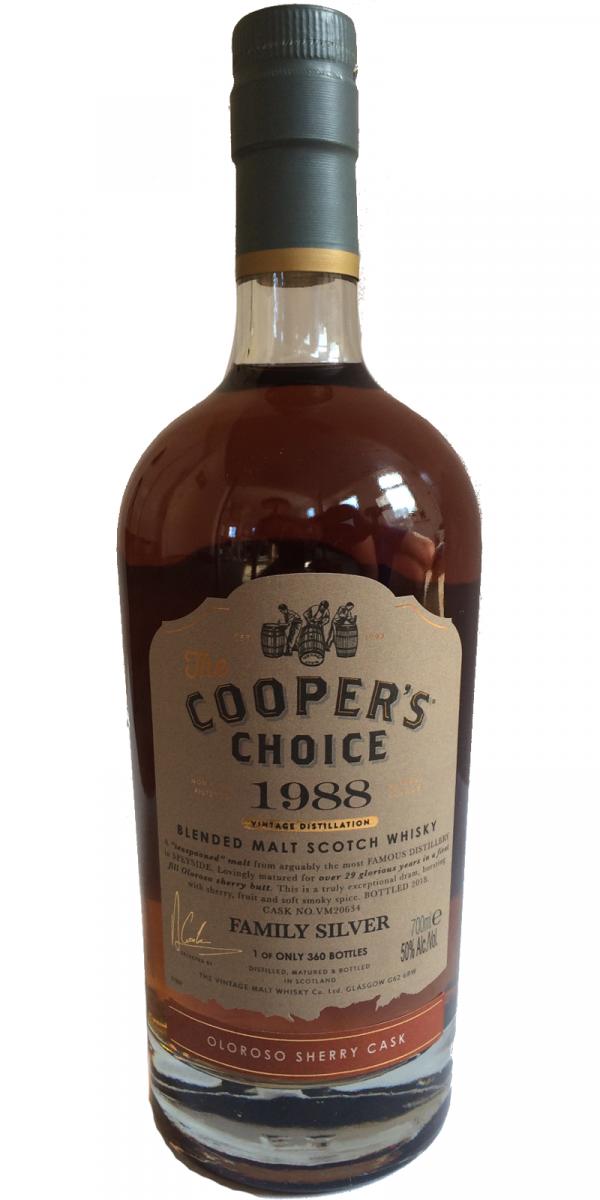
Aging: The distilled spirit is aged in wood barrels, typically oak, to develop flavors, aromas, and colour.
Aging: The size of aging varies by type and region. Aging permits the whiskey to mature, mellow, and take up traits from the wood.
Flavor Profile: Whiskey flavors can vary from candy and fruity to smoky and sturdy, relying on factors such because the grains used, distillation process, and aging situations.
Serving and Enjoyment: Whiskey can be enjoyed in various methods, together with neat, on the rocks, or as a base for cocktails. Different kinds of whiskey lend themselves to completely different serving preferences.
Collectibility: Some whiskies, particularly limited editions and older expressions, are highly sought after by collectors, and the world of whiskey has seen a rising interest in uncommon and distinctive releases.
Remember that specific laws and definitions can differ by area, and exploring various kinds of whiskey allows lovers to understand the diversity inside this class of distilled spirits..